2026-11-19 · Sean Thompson
How Spring Rains Expose Weak Spots On Hagerstown Roofs
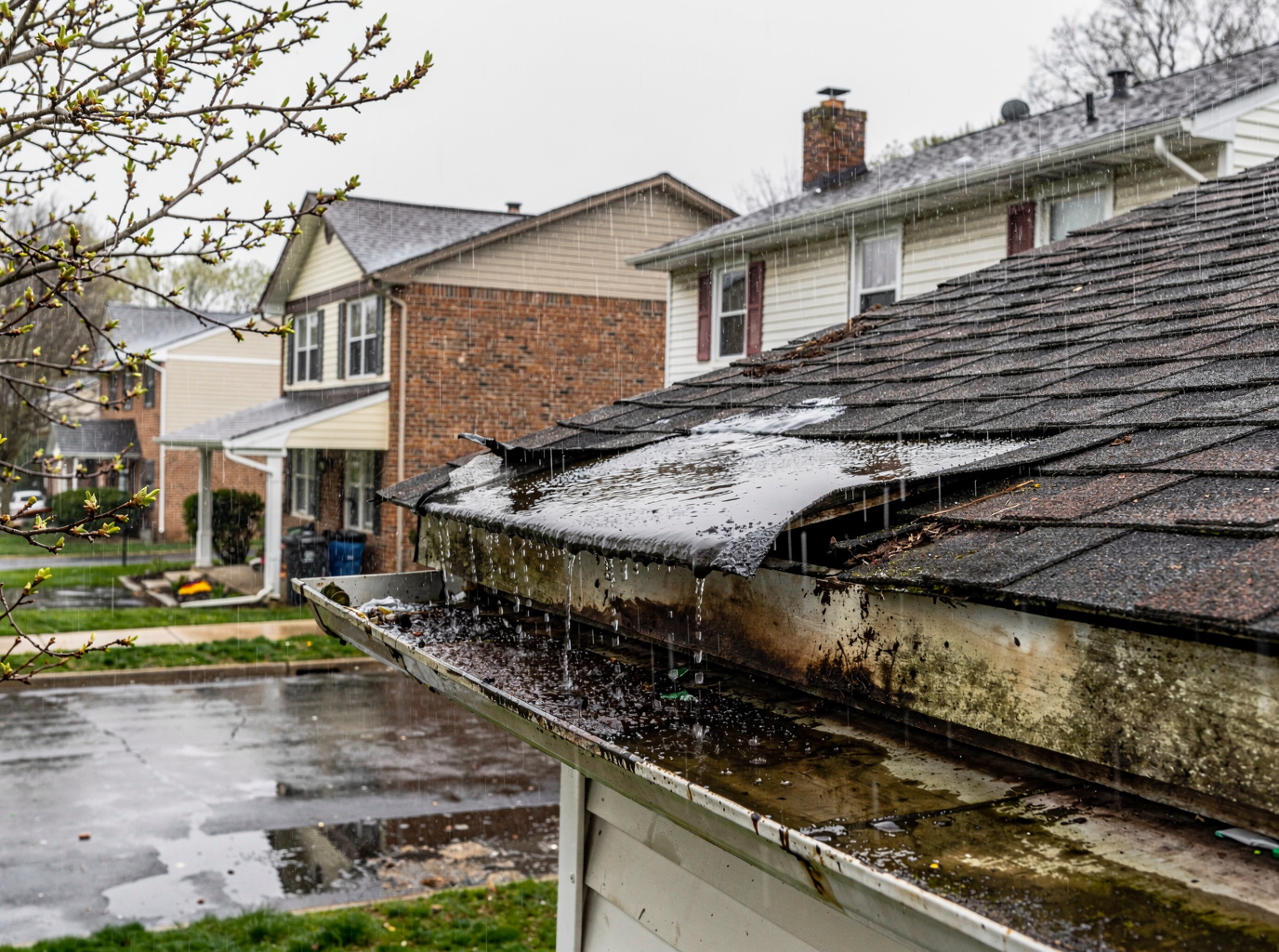
Spring rains in Hagerstown expose roof weak spots within the first two or three heavy storms after winter because freeze-thaw cycles leave small gaps that water exploits. Homes in neighborhoods such as Downtown Hagerstown and the North End often show interior drips along valleys and around chimneys once April showers arrive. The humid continental climate brings repeated cycles of cold nights and warming days that loosen shingles and degrade sealant on older stock throughout Washington County.
How Freeze-Thaw Cycles Create Entry Points
Winter temperatures in Hagerstown drop low enough to expand trapped moisture under shingles and around pipe boots. When spring rains follow, that same water finds the widened gaps and runs into attics over living spaces in the South End and Fountainhead. Gutters that held ice all season now overflow at seams, sending sheets of water against siding and foundation walls. How To Inspect Gutters For Fall Leaf Clogs Near Hagerstown shows the seasonal connection between clogged channels and spring overflow. Roofs near the Maryland Theatre and Hagerstown City Park face extra runoff from surrounding mature trees that drop debris directly onto valleys.
Signs That Appear First in Washington County Homes
Homeowners typically notice dark water stains on ceilings or musty odors in upstairs closets within 48 hours of a prolonged rain. Flashing around skylights and chimneys lifts slightly after repeated freeze-thaw action, allowing water to wick behind shingles. In the Fountainhead area, steeper lots direct more water toward lower roof edges where step flashing meets siding. Checking these locations after each storm prevents small entry points from turning into larger interior repairs. Steps For A Safe Roof Walkaround Before Buying In Hagerstown outlines the same inspection points buyers use when evaluating properties.
Why Certain Neighborhoods Show Damage Sooner
Downtown Hagerstown contains many two-story brick homes with complex rooflines that collect water at multiple valleys. The North End and South End feature post-war ranches whose asphalt shingles have reached the point where granule loss leaves felt exposed. Fountainhead properties sit on slightly rolling terrain that channels spring runoff directly against lower courses. Nearby Frederick and Chambersburg share the same weather pattern, yet Hagerstown’s older housing stock shows visible effects earlier because fewer homes have received full replacements in the last decade.
Practical Next Steps After the First Spring Storms
Schedule a roof inspection once two or more storms have passed to document any new damage before summer heat sets in. Focus first on valleys, pipe boots, and step flashing where water volume concentrates. Note any interior stains with photos and dates so patterns become clear over successive rains. Roof repair crews working in these neighborhoods often address the same three or four spots on homes of similar age and construction. Keeping records helps prioritize work before the next winter freeze returns.