2026-11-19 · Sean Thompson
Signs Your Hagerstown Roof Needs Attention After Winter Storms
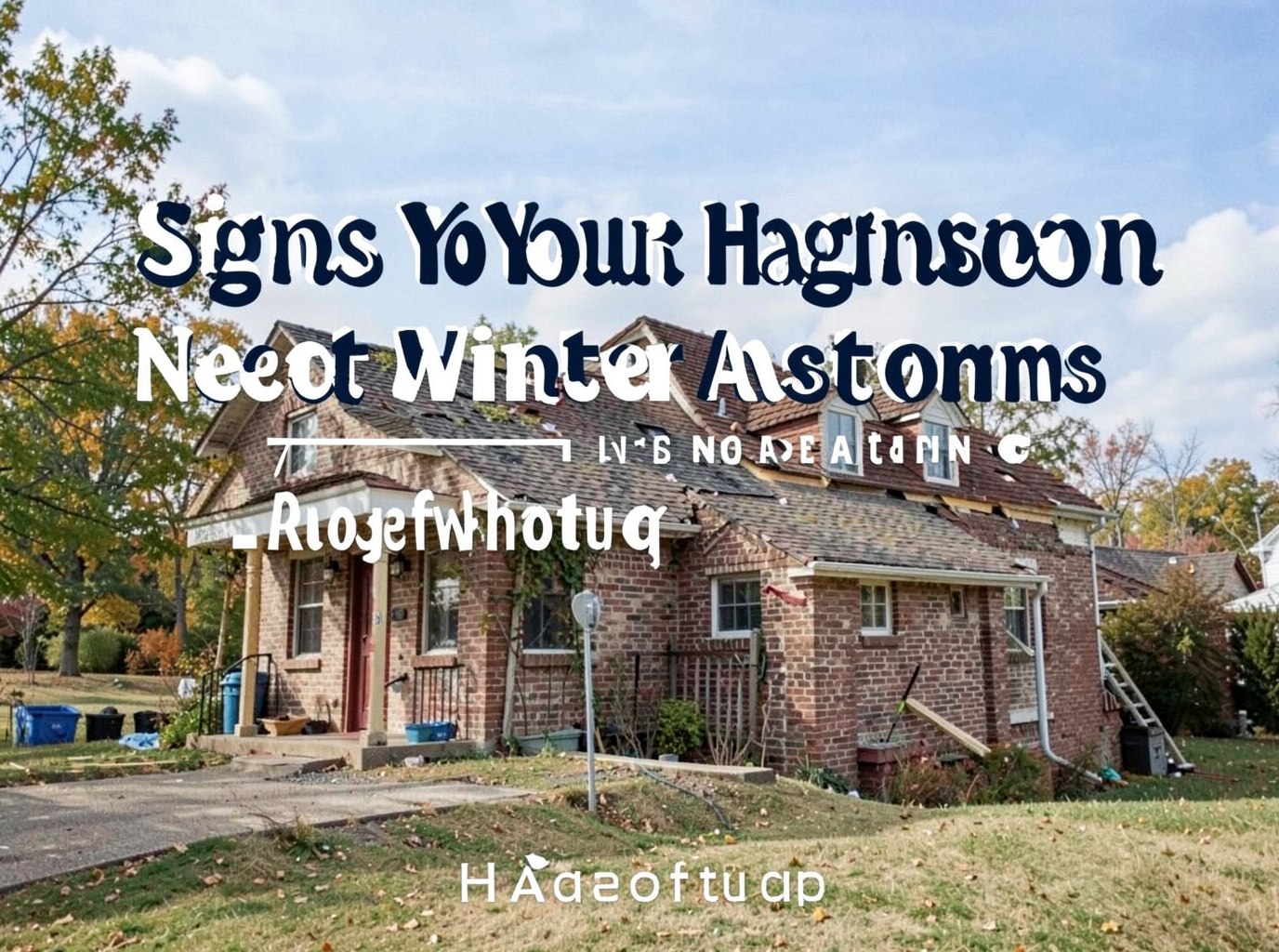
After winter storms hit Hagerstown, the clearest signs your roof needs attention include missing or cracked shingles along with interior water stains near the eaves. These issues stem from the area's humid continental climate where repeated freeze-thaw cycles loosen fasteners and allow moisture under layers. Homes in older sections of the South End and Fountainhead frequently show these problems first because their steeper pitches collect more ice. Checking the attic for daylight or damp insulation right after a thaw reveals damage before it spreads to ceilings. Washington County roofs also face extra stress from wind-driven snow that packs against chimneys and valleys.
Spotting Ice Dam and Shingle Issues
Ice dams form along gutters when warm attic air melts snow that refreezes at the edges, a pattern seen every cold season in Hagerstown. Look for curled or lifted shingles near the roofline in areas like North End where older homes have limited insulation. Granule loss in gutters after a storm indicates abrasion from sliding ice. Flashing around chimneys and skylights often pulls away during these events, letting water enter wall cavities. In Washington County the combination of heavy snow loads and sudden temperature swings above freezing accelerates this wear on asphalt shingles that have already endured several winters. Walk the perimeter after each major storm and note any new debris patterns that point to lifted sections.
Interior and Attic Clues
Water stains on attic sheathing or insulation near the North End and Downtown Hagerstown homes often appear days after a storm melts. Sagging ceiling drywall in upper rooms signals prolonged moisture from ice dam seepage. Check for mold growth or musty odors that develop when trapped water sits through the remaining winter. These interior signs frequently trace back to compromised underlayment that no longer sheds water effectively after repeated freeze cycles. Residents near Hagerstown City Park notice these problems earlier because many homes there date to periods when roofs were installed without modern ice-and-water shields. A thorough attic inspection after the first thaw helps catch issues before they reach living spaces.
Flashing and Valley Damage
Valleys and step flashing around chimneys take the brunt of snow melt in Hagerstown winters. Warped or rusted metal pieces allow water to bypass shingles and enter the structure. In Fountainhead neighborhoods, trees drop limbs during storms that dent valleys and create new leak points. Examine these junctions closely because the county's cold winters keep moisture frozen in place until a warm spell releases it all at once. Damaged counter flashing on masonry chimneys is another common result of ice expansion. Addressing these metal components early prevents larger sections of the roof from failing when spring rains follow.
Next Steps After Identifying Problems
Document any visible damage with photos from the ground and note the date of the last storm for reference. Homeowners in South End properties often benefit from scheduling a roof inspection to assess hidden issues before they worsen. If leaks appear, compare findings against guidance in How Spring Rains Expose Weak Spots On Hagerstown Roofs to understand seasonal progression. For confirmed damage, review options through roof repair resources that address Washington County-specific conditions. Early attention in neighborhoods like Downtown Hagerstown limits the scope of work needed once temperatures rise.